Reflections on My Experience as an IACUC Member: Bearing Witness to Animal and Human Suffering
![Writer: Nadine Dolby [Guest Writer]](https://static.wixstatic.com/media/5c7114_0c365aa35be84f6c9135e6cefc7cd94f%7Emv2.png/v1/fill/w_32,h_32,al_c,q_85,enc_avif,quality_auto/5c7114_0c365aa35be84f6c9135e6cefc7cd94f%7Emv2.png)
Are you a member of PETA?
This was the first, and as it turns out—only—question I was asked during my interview to join
my institution’s Institutional Animal Care and Use Committee (IACUC).
My mind flashed to my long-expired PETA (People for the Ethical Treatment of Animals)
membership card pinned to the bulletin board in my home office. Over the years, I had become increasingly uncomfortable with several of PETA’s positions, particularly on dogs labeled as pitbulls. Given this and other concerns, I had allowed my membership to lapse, though I never got around to tossing the card.
After a short pause, I honestly answered “no,” I was not a member of PETA. The chair of the
IACUC, who was interviewing me, was apparently satisfied with this answer, as he asked no
follow-up questions. For him, as I came to learn months later, PETA was a simple litmus test,
with a yes/no response: the nuances of PETA’s various positions and policy statements was of no interest.
A few weeks later, I found myself at my first IACUC meeting, as the federally-required “non-
animal scientist.”
As a professor in the College of Education at my institution, I had limited exposure to the animal research side of the vast campus. Even figuring out the maze of
unfamiliar parking lots was initially a challenge.
Why was I asked to join the IACUC?
As I subsequently learned, my name came up in a meeting because of an op-ed I had written for a local newspaper earlier that year. Based on my five years of experience volunteering at a local shelter, I had written a short piece that tried to negotiate the “kill/no-kill” debate, which at the time was devouring time and energy in the local animal welfare community. Given its narrow and decidedly local objective, the short op-ed was balanced and diplomatic: exactly what the IACUC was looking for in a new member.
But lab animal research is a completely different arena from animal shelters for companion animals. I knew, as I entered that first IACUC meeting with a churning stomach, that I had signed up for an emotionally taxing, psychologically draining, experience. Yet, I also knew that it is rare for researchers who are opposed to lab animal research to be invited to join an IACUC, and that I had to seize this opportunity to understand that world from the inside.
Over the next three years, I read hundreds of protocols submitted to the IACUC for approval.
Most of the protocols were dozens of pages, crammed full of detailed scientific terminology that was well outside of my area of expertise. I sat in monthly meetings, sharing coffee and cookies with animal researchers across campus. I served on subcommittee meetings.
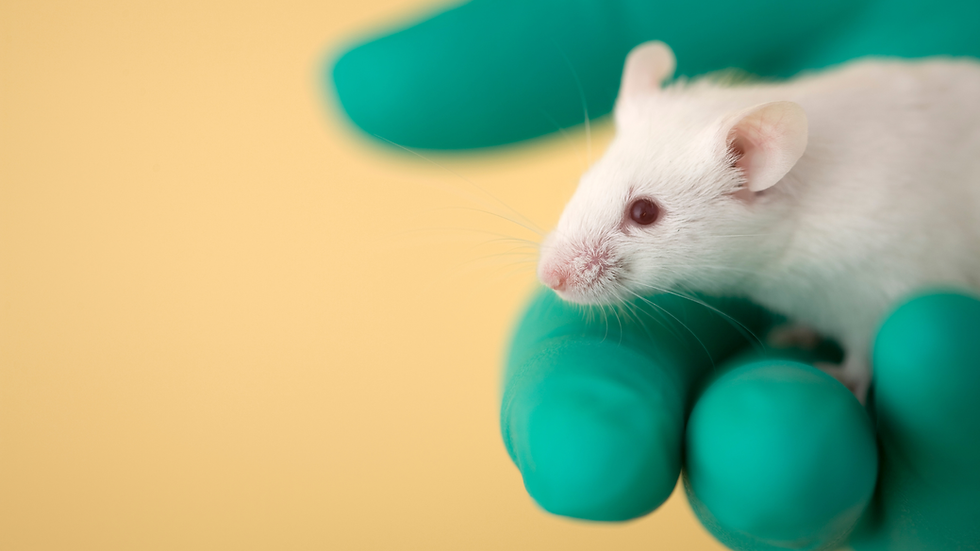
And, as required, twice a year, I participated in animal research facilities inspections across my campus and those located in the rural areas surrounding campus. Equipped with a checklist for each facility, I inspected dozens of labs and the thousands of animals in them, from mice to cows and pigs.

For me, these were entirely new experiences that were quietly devastating. I struggled to sleep many nights after protocol reviews, meetings, and particularly inspections, as those brought me face-to-face with the animals I had read about in the protocols and discussed in the meetings.
But as I slowly began to realize, it is not entirely correct to say that I had discussed the animals in meetings, or read about them in protocols. In most ways it was the opposite: the animals were an absent presence, and their lives as sentient beings were seldom, if ever discussed. The animals were often regarded as equipment to be used, no different from a test tube, except that their use needed to be justified and explained in the protocol.
However, as the protocol would be evaluated by other animal researchers, the justifications were brief and perfunctory. In rare moments, an ethical conversation would erupt at an IACUC meeting, and I would see glimpses of the suppressed internal struggles of many of my colleagues. And then just as quickly, the conversation would be snuffed out, and we would return to the real business of the IACUC, which is to facilitate, not limit or prevent animal research, on campus.
My three year IACUC term ended, and while I was asked to return for another term, I could not. By that point, I knew too much, and could no longer witness the horrors of lab animal research, and sit in meetings, raising questions and occasional objections within the permitted narrow, technical windows.
Years later, I am haunted by my memories of the animals and of the people I sat beside. I remember the lab supervisors who occasionally came to meetings to explain a certain procedure that was done in their labs, and the hundreds of labs and farm workers I met during inspections. Some of them were fully supportive of animal research, but many, I am sure, experienced the same emotional toll and turmoil that I occasionally saw flare up in the animal researchers I sat beside.
When I agreed to serve on the IACUC, I knew, realistically, that I could do little to actually slow or stop animal research on my campus. Instead, I joined to try to understand the humans working in this field, and to bear witness to the suffering of animals.
Almost 15 years later, I have come to recognize the silent suffering not only of the animals, but of the people doing the research: the ones who use dogs in their labs, and go home to be greeted with the enthusiastic barks and tail wags of their own dogs.
Lab animal research must end, first and primarily, for animals. But the ones who will do the hard work of curtailing and ultimately ending lab animal research are humans. To do this, we must recognize that humans too, deserve to live freely, and to suffer no more.
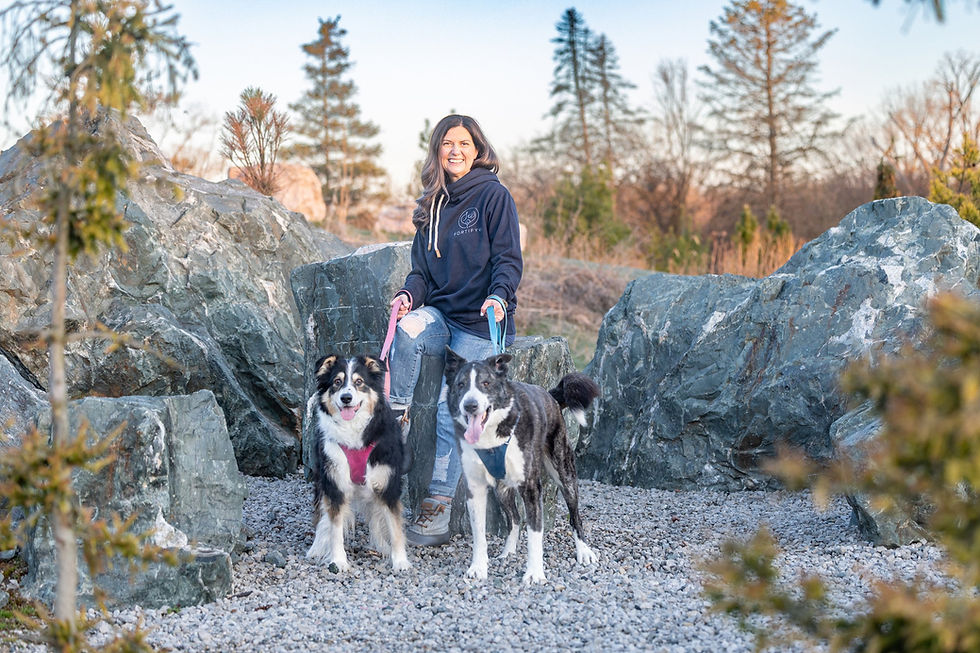
Nadine Dolby is Professor of Education at Purdue University. She is author of Learning
Animals: Curriculum, Pedagogy, and Becoming a Veterinarian (CRC Press, 2022), and One
Welfare to Keep People and Pets Together: Moving Beyond the Animal Shelter (CRC Press, in press). She does research and teaches in the area of animals and society.